In road construction, asphalt is not just a material. It is the foundation of durability, safety, and long-term performance.
Many contractors focus only on buying an asphalt mixing plant for sale. However, real projects require much more than that.
A complete asphalt production and paving solution involves a system, not a single machine.
From raw material processing to final paving and compaction, every step affects cost, efficiency, and pavement quality.
Understanding the full equipment chain helps contractors avoid delays, reduce waste, and improve profit margins.
In this article, we explain what equipment is required for a complete asphalt solution and how each part works together on site.
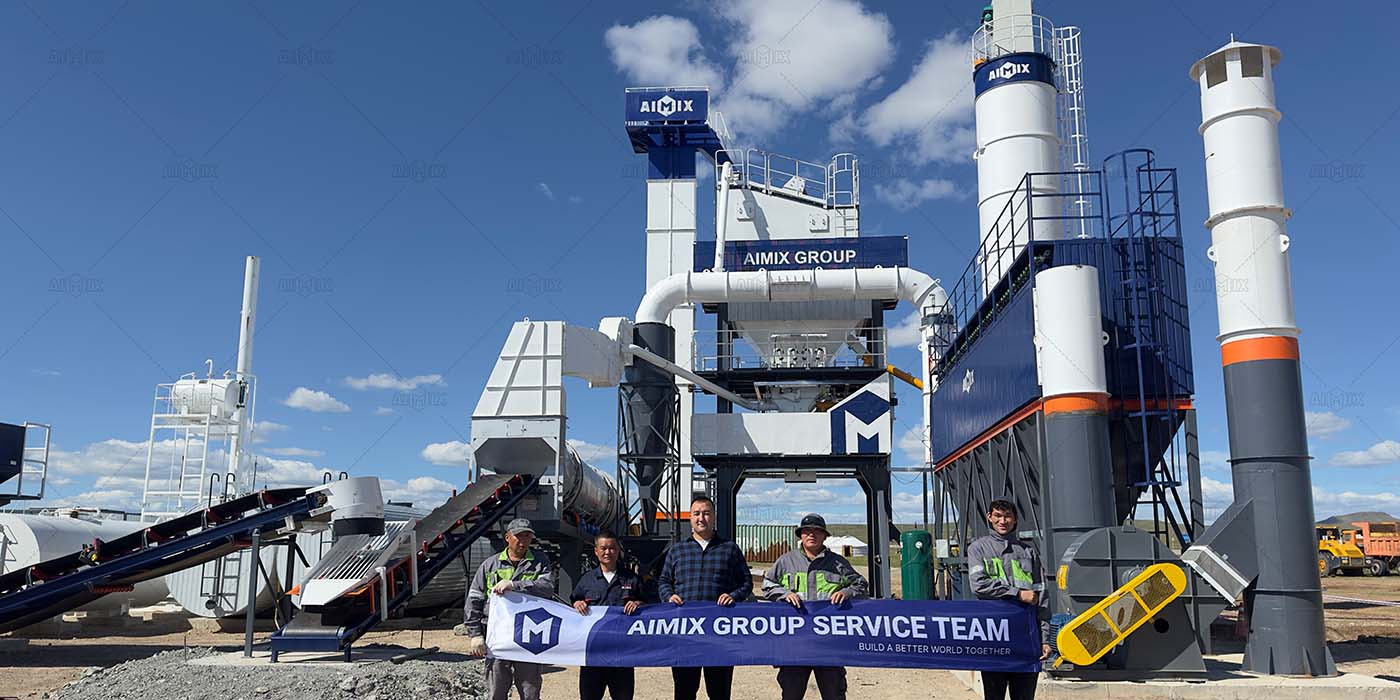
Understanding the Full Asphalt Workflow Before Choosing Equipment
Before discussing machines, it is important to understand the asphalt construction workflow.
Only when you see the full picture can you choose equipment correctly.
A typical asphalt project includes raw material preparation, asphalt mixing, material transportation, paving, and compaction.
Each stage depends on the previous one.
If one link fails, the whole project slows down.
Therefore, a complete solution focuses on coordination, not isolated equipment.
With this workflow in mind, let us start from the core of asphalt production.
Asphalt Mixing Plant: The Core of Asphalt Production
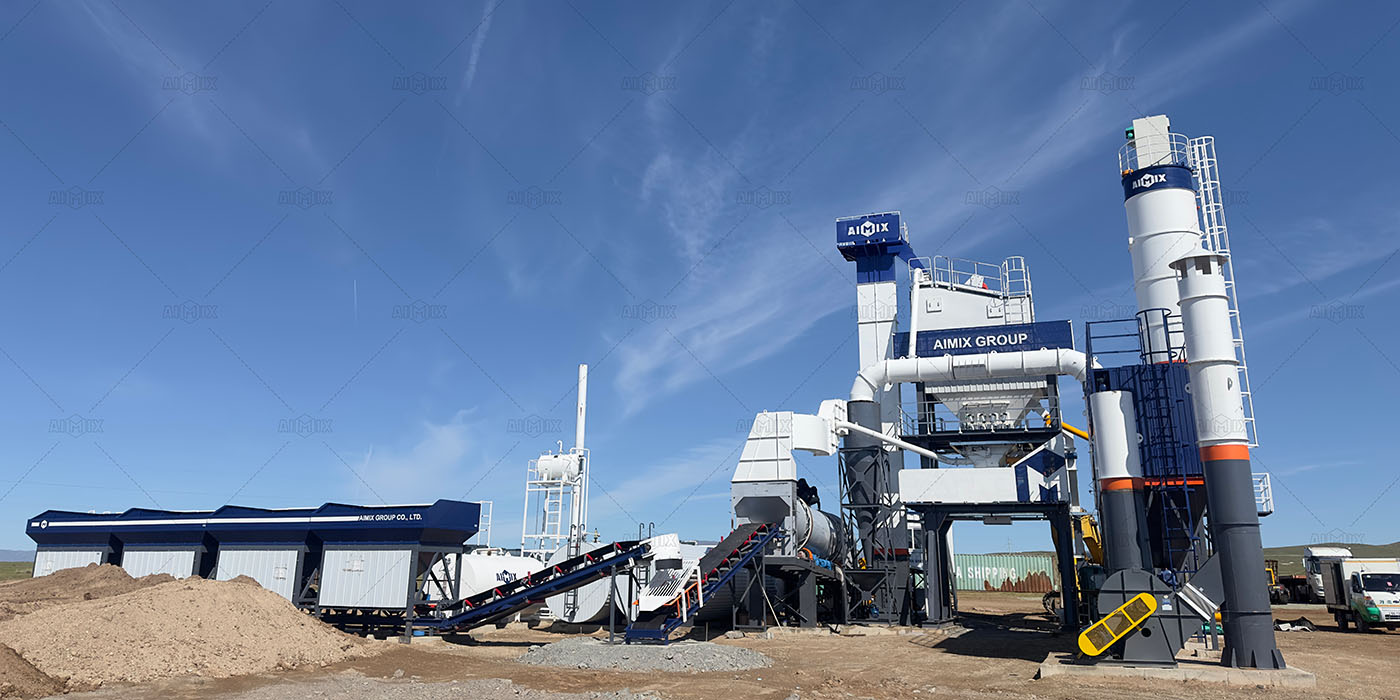
At the center of any asphalt project stands the asphalt mixing plant.
It produces hot mix asphalt that meets grading, temperature, and performance requirements.
Choosing the right plant directly affects output quality and operating cost.
Batch Type Asphalt Mixing Plant
Batch plants suit projects that demand high precision and multiple mix designs.
They weigh aggregates and bitumen separately.
Then they mix materials in batches.
This type works well for highways, airports, and municipal roads.
Contractors prefer batch plants when quality control matters most.
However, they usually cost more and require skilled operators.
Drum Type Asphalt Mixing Plant
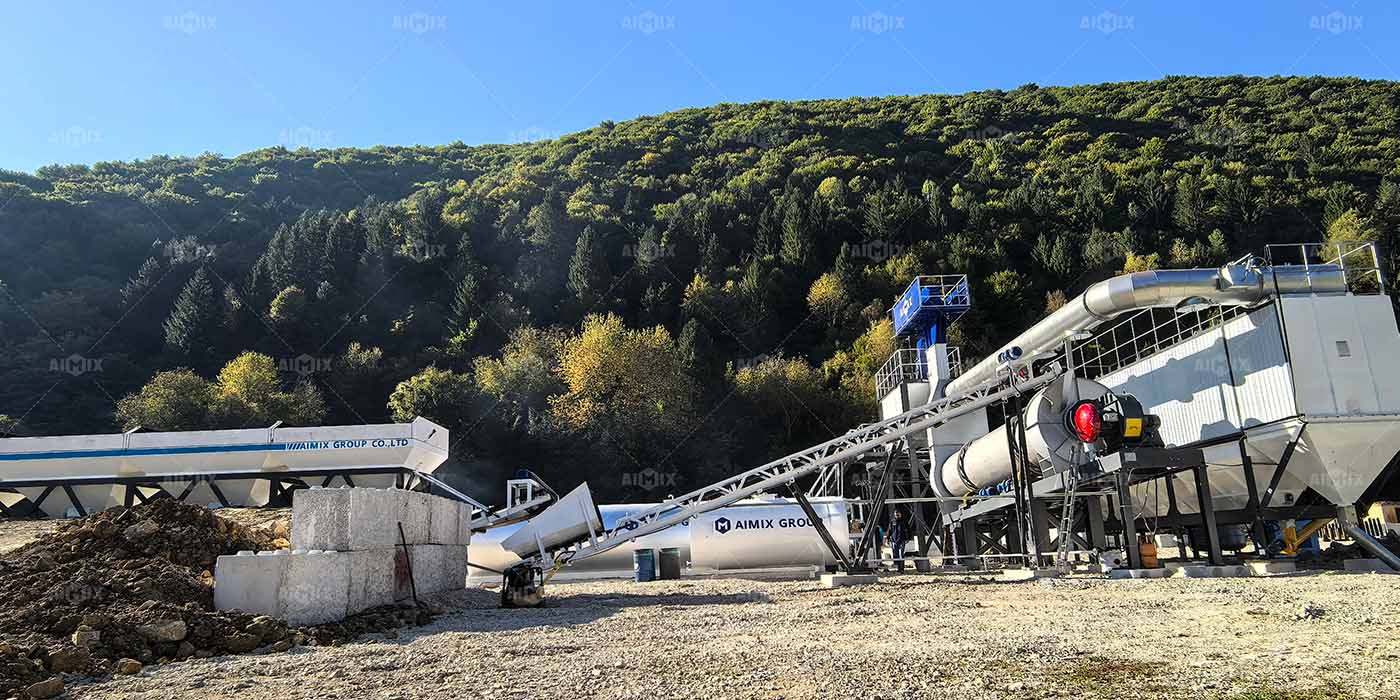
Asphalt drum mix plant can mix materials continuously.
They offer higher output and simpler structure.
This makes them ideal for large-scale projects with standard asphalt formulas.
Because of lower investment and easier maintenance, drum plants attract budget-focused contractors.
Still, mix design flexibility remains limited.
Once asphalt leaves the mixing plant, it cannot wait.
That leads us naturally to the next critical part of the system.
Aggregate Crushing and Screening Equipment for Stable Supply
Asphalt quality starts with aggregates.
Poor aggregate grading causes segregation, cracking, and early pavement failure.
Therefore, aggregate preparation equipment plays a vital role.
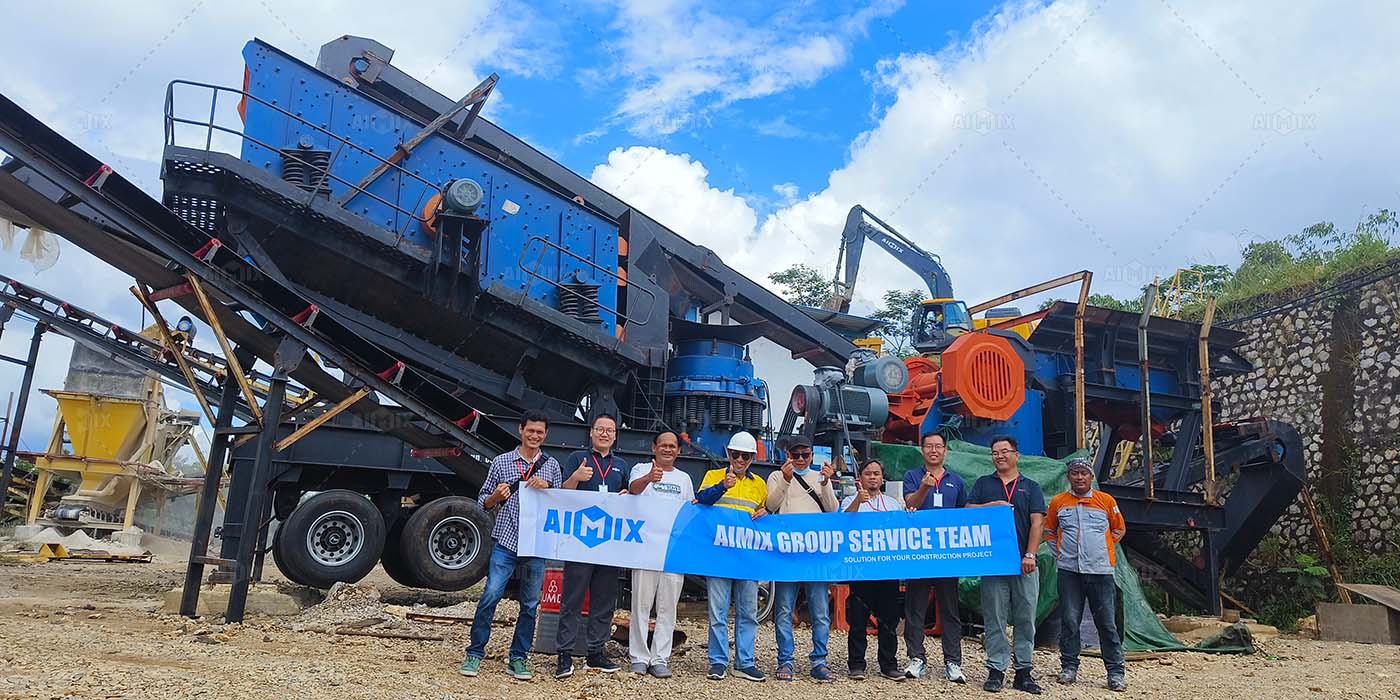
Crusher Plant for Aggregate Production
Crusher plants process raw stone into different sizes.
They usually include jaw crushers, cone crushers, and impact crushers.
Each crusher serves a specific purpose.
Jaw crushers handle primary crushing.
Cone or impact crushers handle secondary and tertiary crushing.
Together, they produce aggregates that meet asphalt standards.
Vibrating Screens and Conveying Systems
After crushing, vibrating screens classify aggregates by size.
Conveyors then transfer materials to storage bins.
This process ensures consistent feeding to the asphalt plant.
Stable aggregate supply reduces plant downtime.
It also improves asphalt mix consistency.
With aggregates ready, asphalt production can run smoothly.
Now the focus shifts to material storage and transportation.
Bitumen Storage and Heating System for Continuous Production
Bitumen behaves differently from aggregates.
It requires precise temperature control.
Without proper storage and heating, asphalt quality suffers.
Bitumen Storage Tanks
Bitumen tanks store asphalt binder safely.
They maintain stable temperature through thermal oil or electric heating.
Good insulation reduces energy consumption.
Different projects may need different bitumen grades.
Multiple tanks allow quick switching between formulas.
This flexibility saves time during production.
Thermal Oil Heating System
Thermal oil systems provide indirect heating.
They keep bitumen at working temperature without burning.
This improves safety and extends equipment life.
Once asphalt mix is ready, fast and reliable transportation becomes the next priority.
Asphalt Transportation Equipment to Maintain Temperature
Hot mix asphalt loses temperature quickly.
If it cools too much, paving quality drops.
Therefore, transportation equipment matters more than many expect.
Asphalt Transport Trucks
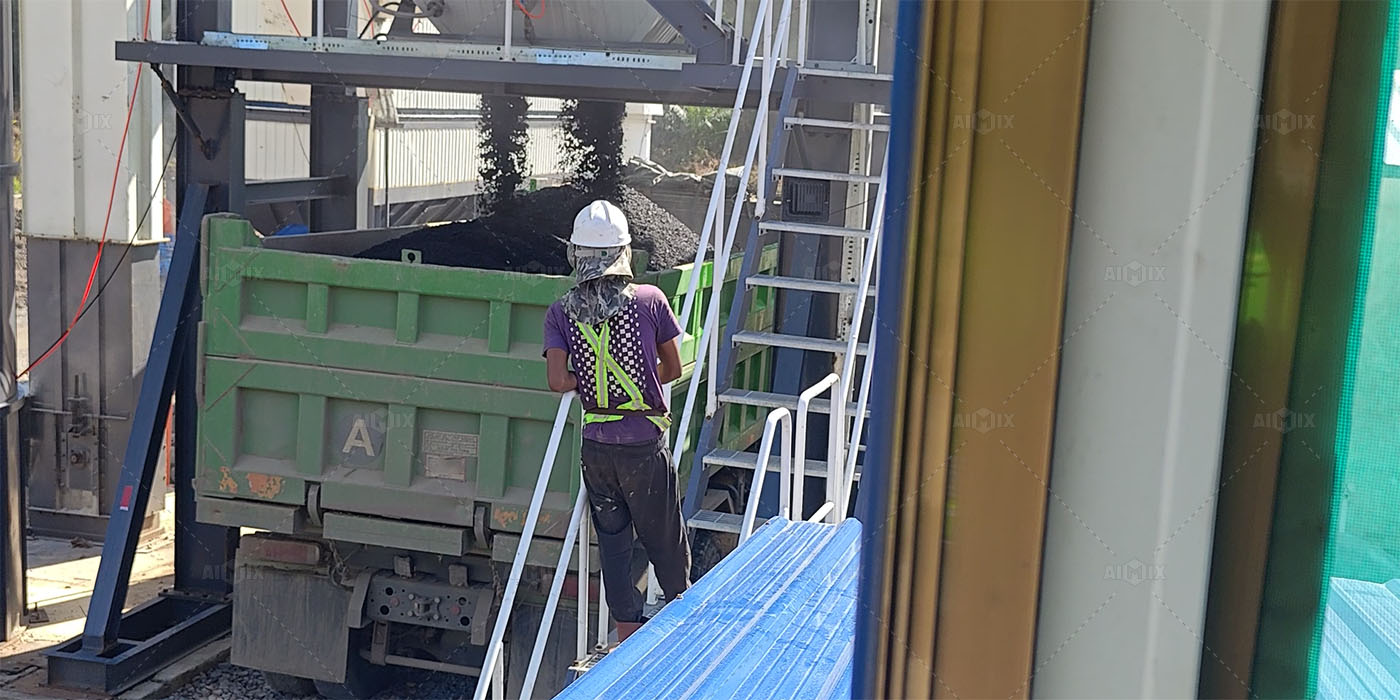
Insulated dump trucks transport asphalt from plant to site.
They reduce heat loss during travel.
Some trucks include heating systems for long distances.
Fleet size must match plant capacity.
Too few trucks cause plant waiting.
Too many trucks increase cost.
Balanced planning ensures smooth operation.
When asphalt arrives at the job site, production shifts from plant to paving.
This transition introduces another set of essential machines.
Asphalt Paver: Turning Mix into Pavement
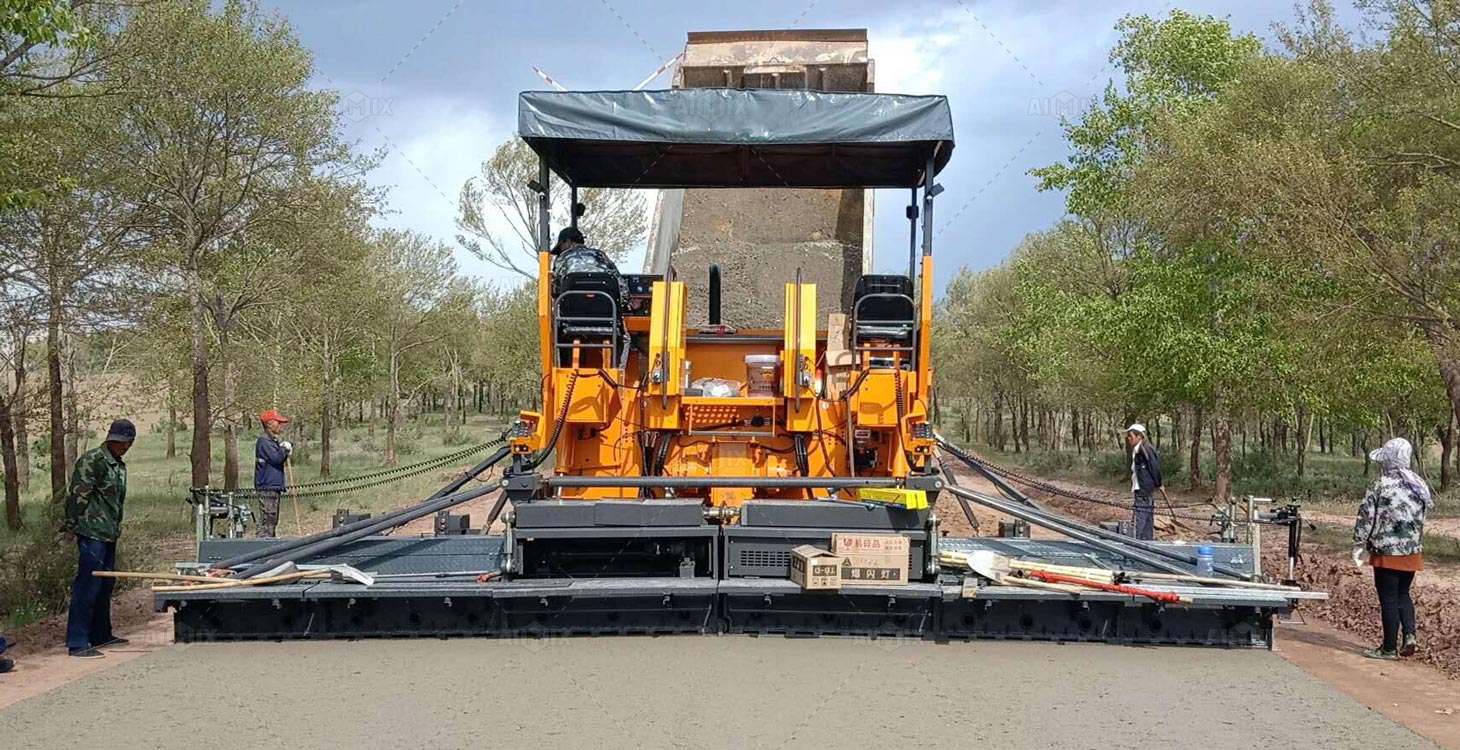
The asphalt paver shapes and spreads hot mix evenly.
It defines pavement thickness, width, and surface smoothness.
Therefore, it directly affects ride quality.
Wheeled Asphalt Paver
Wheeled pavers move quickly and suit urban projects.
They work well on stable bases.
Contractors often choose them for city roads and maintenance jobs.
Crawler Asphalt Paver
Crawler pavers offer better traction.
They handle soft or uneven bases.
Large highways and heavy-duty projects often require crawler pavers.
However, paving alone does not finish the job.
Compaction determines pavement strength and durability.
Road Rollers for Proper Compaction and Long-Term Performance
Compaction removes air voids.
It improves density and load-bearing capacity.
Without proper rolling, even good asphalt fails early.
Steel Drum Rollers
Steel rollers provide static and vibratory compaction.
They suit initial and intermediate rolling stages.
Different drum sizes match different project scales.
Pneumatic Tire Rollers
Pneumatic rollers use rubber tires.
They knead the asphalt surface.
This improves bonding and seals surface voids.
Compaction completes the visible pavement.
Yet behind the scenes, support equipment keeps everything running.
Auxiliary Equipment That Improves Efficiency and Safety
Many contractors overlook auxiliary equipment.
However, these machines often determine daily productivity.
Wheel Loaders and Feeders
Loaders handle aggregate feeding and material movement.
Reliable loaders prevent production bottlenecks.
They also reduce labor intensity.
Dust Collection and Environmental Systems
Modern projects must meet environmental standards.
Dust collectors reduce emissions.
They also protect workers and nearby communities.
With all equipment in place, the final step involves system integration and supplier support.
Choosing an Integrated Asphalt Solution Instead of Isolated Machines
Buying machines separately often creates compatibility issues.
Different suppliers may not coordinate well.
This increases installation time and operational risk.
An integrated asphalt solution ensures equipment compatibility.
It simplifies training, maintenance, and spare parts supply.
For contractors, this approach reduces long-term cost.
From planning to commissioning, professional support makes a real difference.
That is why choosing the right partner matters.
Why Working with an Experienced Asphalt Equipment Supplier Matters
Experienced suppliers understand real construction challenges.
They help match equipment to project scale, budget, and local conditions.
They also provide technical support beyond delivery.
A reliable asphalt equipment supplier focuses on long-term cooperation.
They care about your project success, not just equipment sales.
This mindset aligns with modern construction demands.
Conclusion: Build Roads with Confidence and Complete Solutions
A complete asphalt production and paving solution includes more than an asphalt plant.
It covers crushing, storage, transport, paving, compaction, and support systems.
Each machine plays a specific role.
Together, they create durable and high-quality roads.
From the contractor’s perspective, the right equipment means fewer delays, better quality, and higher profit.
From the industry’s perspective, integrated solutions raise construction standards.
If you plan to invest in asphalt equipment, think beyond individual machines.
Think in systems.
Choose solutions that grow with your business.
Work with suppliers who understand your challenges and goals.
That is how successful asphalt projects begin and last.