Against the backdrop of stricter environmental regulations for municipal projects, both mobile asphalt plants and asphalt batch mix plants are adapting to the growing low-carbon transformation requirements in municipal roads construction. As the demand for sustainable practices intensifies, these plants are exploring technical upgrades that can achieve significant emission reductions without substantially increasing asphalt plant cost. This article discusses how these adaptations can be effectively implemented.
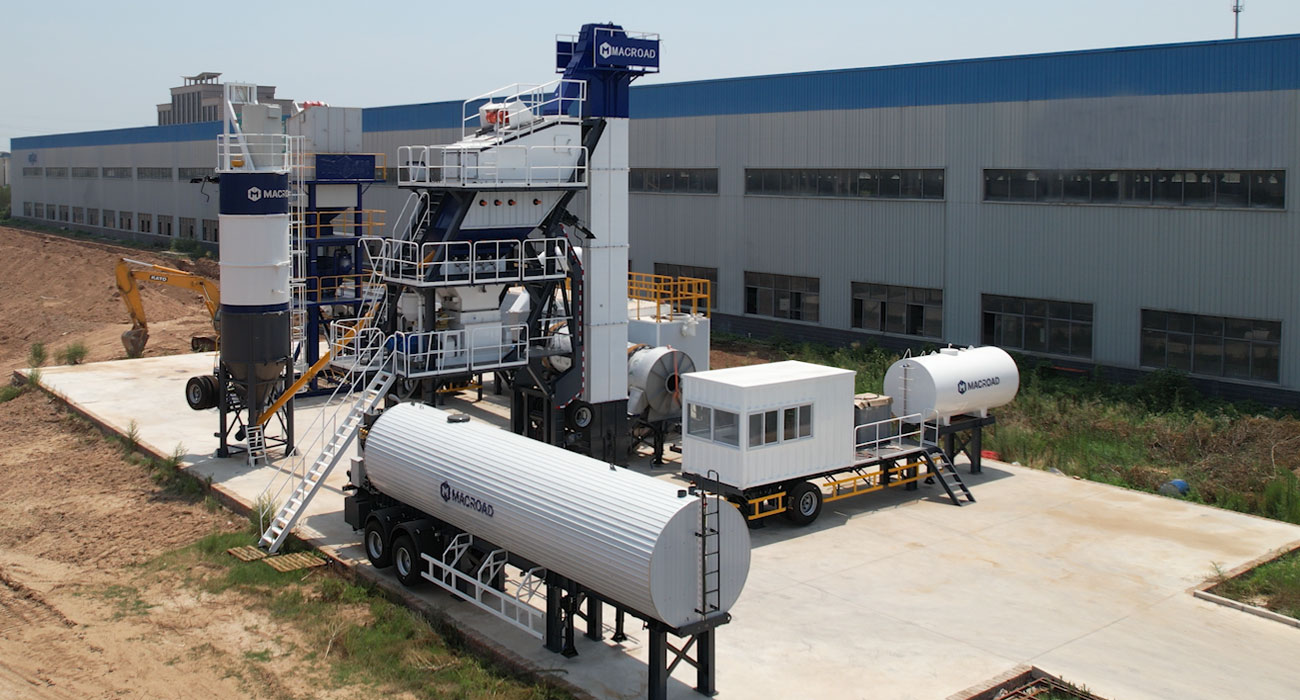
Understanding Low-Carbon Transformation Requirements
The rise of environmental regulations emphasizes the need for reduced carbon emissions in construction projects, particularly in municipal roads construction. Stricter guidelines require asphalt plants to adopt greener practices while maintaining quality and efficiency. Mobile asphalt plant must not only comply with these regulations but also demonstrate an active commitment to sustainability.
By understanding these low-carbon transformation requirements, asphalt plant operators can identify key areas for improvement within their operations. The goal is to create processes that lower emissions while still delivering the performance expected in asphalt production, ensuring that projects remain on schedule and within budget.
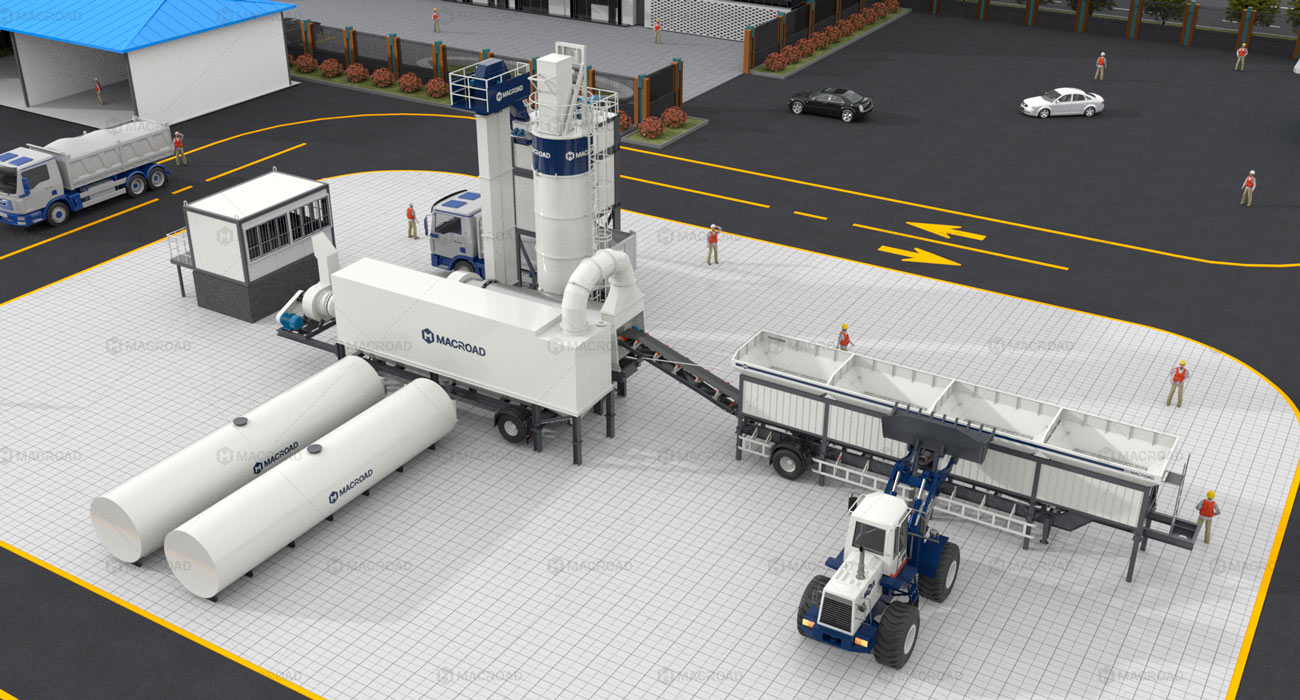
Technical Upgrades for Emission Reduction
To align with low-carbon goals, asphalt batch mix plant can implement several technical upgrades aimed at reducing emissions:
- Advanced Combustion Technologies: Upgrading burners to utilize higher efficiency and lower emissions settings can dramatically reduce the output of harmful gases. Employing regenerative thermal oxidizers allows for better control over emissions, significantly lowering volatile organic compounds (VOCs) and nitrogen oxides (NOx).
- Warm Mix Asphalt Technology: Utilizing warm mix asphalt techniques reduces the temperature at which asphalt is produced, resulting in lower emissions during mixing. This technology not only decreases the carbon footprint but can also save energy, thus helping to mitigate asphalt plant cost.
- Recycled Materials: Incorporating recycled asphalt pavement (RAP) into the mix is a practical approach to reducing waste and lowering emissions. Moreover, reusing materials reduces the need for new aggregates, thus contributing to the conservation of natural resources.
- Monitoring Systems: Implementing real-time monitoring systems equipped with sensors can help track emissions and ensure compliance with environmental standards. These systems enable operators to adjust processes dynamically to maintain optimal performance, further supporting emission reduction efforts.
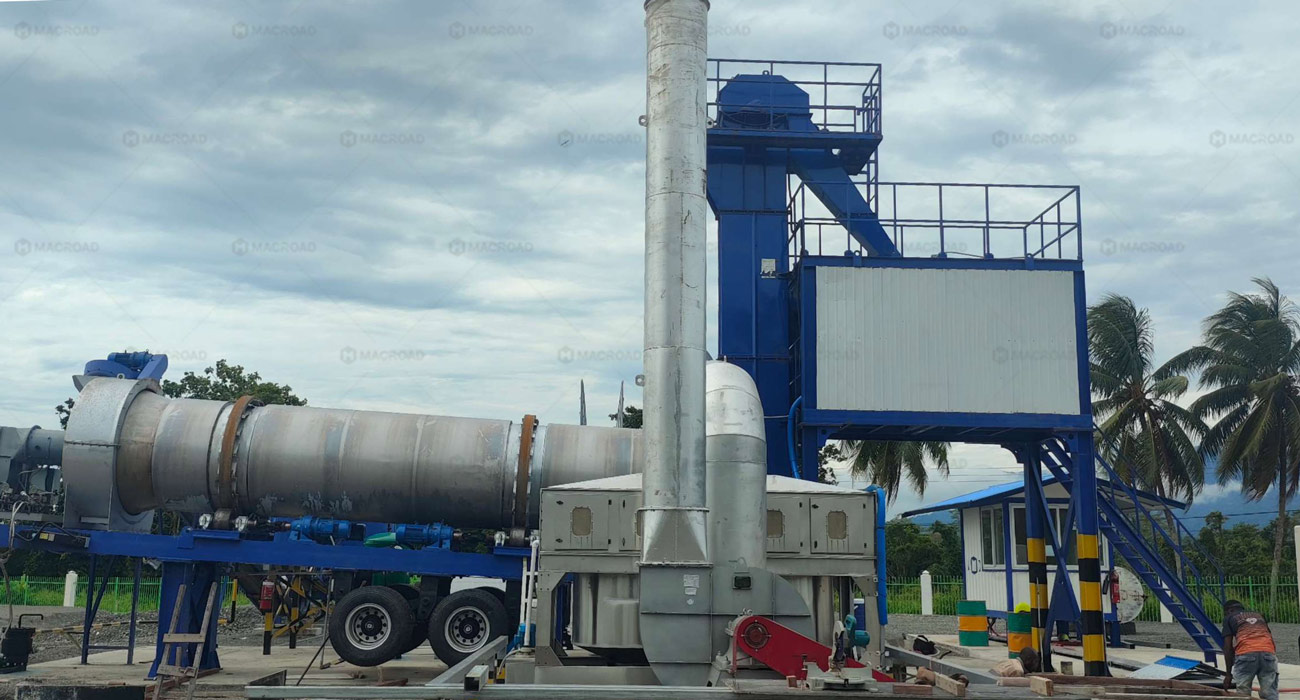
Balancing Costs and Sustainable Practices
While implementing these technical upgrades, it is vital for asphalt equipment manufacturers and operators to consider the impact on asphalt plant cost. Striking a balance between sustainability and financial viability is essential for widespread adoption.
Investments in energy-efficient technologies and practices may incur costs, but they often lead to long-term savings through reduced operational expenses. For example, the initial costs associated with advanced combustion technologies can be offset by decreases in fuel consumption and maintenance requirements over time.
Moreover, regulatory incentives and grants, often available for adopting eco-friendly practices, can help mitigate the financial burden. By applying for such incentives, operators can facilitate a more accessible transition to low-carbon operations without overwhelming capital outlay.
Conclusion
In conclusion, mobile asphalt plants and asphalt batch mix plants are increasingly adapting to the low-carbon transformation requirements in municipal roads construction. By integrating technical upgrades such as advanced combustion technologies, warm mix asphalt techniques, and real-time monitoring systems, these plants can achieve significant emissions reductions. Balancing these environmentally friendly practices with considerations of asphalt plant cost is crucial for ensuring that sustainability does not come at the expense of operational efficiency. Embracing these changes will not only help meet regulatory requirements but also contribute to a greener future in the construction industry.